

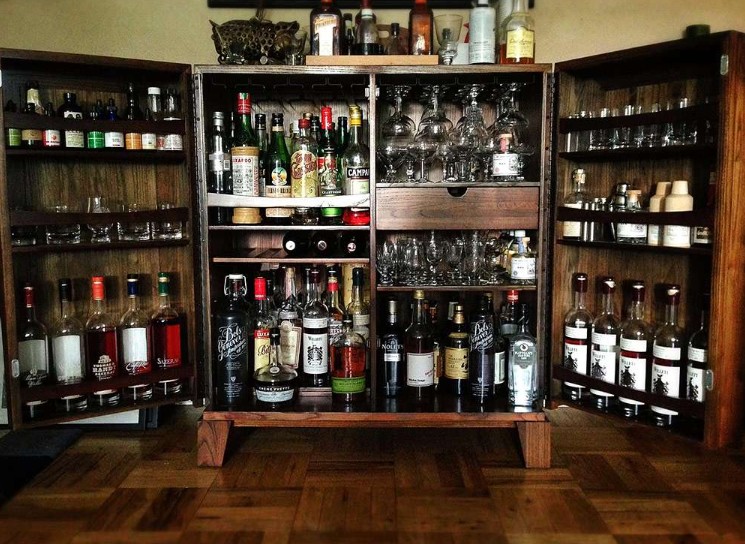
Strategic liquor cabinets and storage bins are essential for many reasons. It protects the quality of the alcohol, ensuring ideal taste and durability; it improves the aesthetic appeal of a home, transforming a functional room into a stylish entertainment area; and it provides organized accessibility, allowing for easy cocktail mixing and enjoyment.
Careful consideration of preservation procedures will eventually lead to a more refined and enjoyable drinking experience. Effective liquor storage options go beyond just placing bottles on a cabinet.
Temperature, light exposure, and humidity can all have a significant impact on the quality and flavor character of different spirits. Improper storage can cause oxidation, staining, and even destruction of the alcohol content. As a result, investing in dedicated liquor storage cabinets is a wise decision for any discerning connoisseur.
Consider Location and Environmental Factors
The location of the liquor storage cabinet is crucial. Ideally, place the cabinet in a cold, dark, and dry area. Direct sunlight can speed the aging process and change the flavor of the whiskey. Similarly, variable temperatures and high humidity levels can have a negative impact on the bottle seal, potentially resulting in evaporation and spoilage. Basements, dining rooms away from direct sunlight, and designated entertainment areas are typically appropriate settings. Avoid positioning the cabinet near heat sources, such as ovens or radiators.
Assess Storage Needs and Capacity
Before choosing a liquor storage cabinet, evaluate the existing size and future expansion of your booze collection. Calculate the number of bottles that require storage, taking into account the various sizes and shapes. Consider the types of spirits often stored, as some liquors, such as wine or champagne, may necessitate specialist storage conditions, such as temperature-controlled containers.
Overestimating required capacity is often better than underestimating, as it allows for future acquisitions and expansion. Consider features other than bottle storage, such as specific cabinets and shelves for glassware, cocktail-making kits, and other bar supplies.
Select the Right Style and Material
The aesthetic appeal of the liquor storage cabinet should complement the overall design of the residence. There is a vast range of styles and materials available, from traditional oak cabinets to modern metal and glass designs.
Consider the existing furnishings and design items in the chosen space to ensure a coherent appearance. The material of the cabinet might also affect its structural integrity and endurance. Solid wood cabinets have a timeless elegance and strong structure, while metal cabinets have a sleek, contemporary aesthetic and good stability.
Glass doors can highlight the liquor collection, but they may also expose the contents to light, needing UV-protective glass or cautious lighting design.
Organize for Accessibility and Presentation
A well-organized liquor storage cabinet is not only more useful but also more visually appealing. Consider using labels to easily identify each bottle. To maximize visibility, arrange bottles by height, with taller bottles at the back and shorter ones in the front.
Use adjustable shelves to accommodate bottles of different sizes. Lighting, such as LED strip lights, can brighten the collection and create a welcoming atmosphere. Furthermore, arranging the cupboard can highlight frequently used bottles and create a clear inventory for replenishing.
How Should You Stock and Fill Your Liquor Cabinet?
A well-stocked liquor cabinet has a variety of vital spirits to suit different tastes and cocktail recipes. When stocking your cabinet, try for a balance of quantity and variety. Don’t overcrowd your cabinet with spirits, but make sure you have enough to mix a variety of drinks. Spirits or sixers appropriate for the season are always a wonderful option.
Add some handmade monogrammed coasters to place bottles on and blend with the aesthetic for a more complete cabinet design.