Polished Concrete Flooring: What Nobody Told Me Before I Lived With It
Why I Used To Think Polished Concrete Floors Were Cold and Ugly
I’ll be honest. Years ago, when I first heard somebody mention polished concrete flooring in a house, I pictured a freezing cold warehouse floor with all the personality of a parking garage.
Not exactly cozy.
Then I visited a modern home renovation where the owner had polished the original concrete slab instead of covering it with tile or hardwood flooring. And man… it completely changed my opinion. The floor reflected natural light beautifully, the space felt clean and open, and somehow it looked both industrial and warm at the same time.
Since then, I’ve seen polished concrete floors installed in:
- Restaurants
- Retail stores
- Basements
- Modern farmhouses
- Coffee shops
- Garages
- High-end homes
I’ve also seen a few installs go very wrong because people underestimated how much prep work and skill polished concrete actually requires.
So if you’re thinking about polished concrete flooring for your home or commercial space, here’s the stuff I’ve learned from seeing the good, the bad, and the painfully expensive mistakes.
What Is Polished Concrete Flooring?
More Than Just “Shiny Cement”
A lot of people assume polished concrete flooring simply means pouring concrete and making it shiny somehow.
Not quite.
Polished concrete is created by grinding, honing, and polishing a concrete surface using specialized machines and diamond abrasives. Densifiers are usually added to harden the surface and improve durability.
The process transforms rough concrete into a smooth reflective floor that can range from:
- Matte finish
- Satin finish
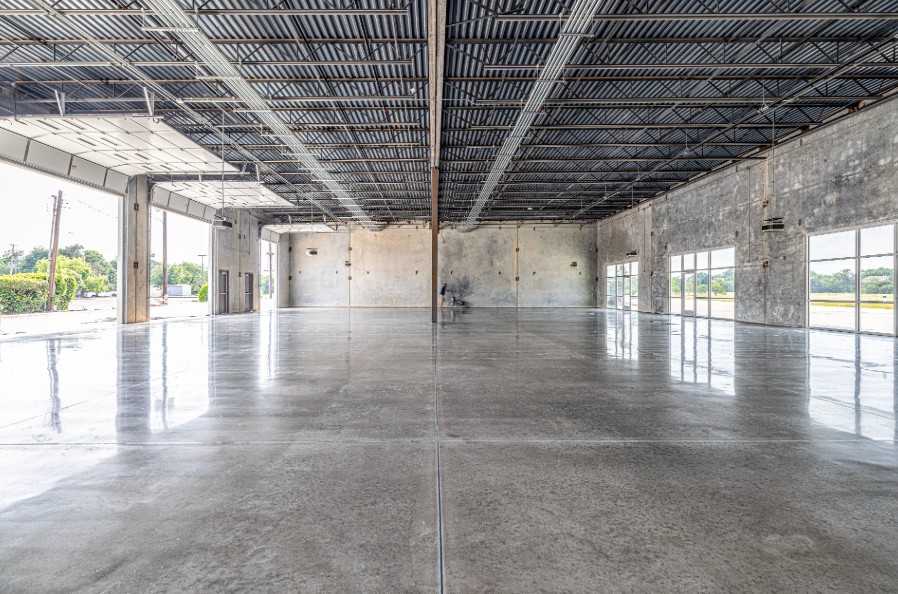
- High-gloss mirror-like shine
The level of shine depends on how finely the surface is polished.
Some polished concrete floors almost look wet permanently. Pretty impressive honestly.
Why Polished Concrete Flooring Became So Popular
Minimalist Design Changed Everything
I think polished concrete flooring exploded in popularity once modern industrial-style interiors became trendy.
People started wanting:
- Open spaces
- Clean lines
- Natural textures
- Low-maintenance materials
Concrete fit perfectly into that look.
But honestly, beyond aesthetics, polished concrete floors are incredibly practical in the right environment.
Major Benefits
- Extremely durable
- Low maintenance
- Long lifespan
- Moisture resistant
- Reflective surface improves lighting
- No grout lines
- No carpet allergens
One commercial property owner told me their lighting costs actually dropped slightly because polished concrete reflected so much overhead light.
Never thought about that before hearing it.
How Polished Concrete Flooring Is Installed
It’s Way More Labor Intensive Than People Expect
The first polished concrete project I watched up close surprised me because of how loud and dusty the process was before the final floor looked beautiful.
The polishing process usually includes:
Step 1: Surface Preparation
The concrete slab gets cleaned and repaired.
Cracks, stains, and coatings must be addressed first.
Step 2: Concrete Grinding
Large industrial grinders remove imperfections and smooth the surface.
This step creates a ridiculous amount of dust without proper dust collection equipment.
Step 3: Applying Densifier
Chemical densifiers strengthen the concrete.
This helps create durability and better polish results.
Step 4: Progressive Polishing
Diamond abrasives gradually polish the floor using finer and finer grit levels.
This part takes time.
The difference between low-gloss and mirror-finish polished concrete often comes down to several additional grinding passes.
Step 5: Sealing
Protective sealers help resist staining and moisture penetration.
Skipping quality sealing usually becomes a regret later.
Types of Polished Concrete Finishes
Not All Concrete Floors Look the Same
This surprised me initially.
You can actually customize polished concrete flooring quite a bit.
Cream Finish
Minimal grinding.
Keeps most of the surface cement visible.
Smooth modern appearance.
Salt-and-Pepper Finish
Light aggregate exposure creates subtle texture.
Probably my favorite overall look honestly.
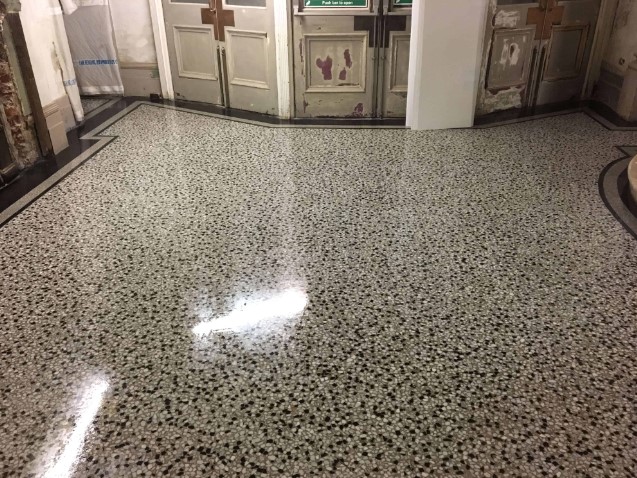
Full Aggregate Exposure
Heavy grinding exposes larger stones inside the concrete.
Creates a terrazzo-like appearance.
Looks amazing in commercial spaces when done right.
Where Polished Concrete Flooring Works Best
Some Spaces Benefit More Than Others
Polished concrete floors shine in:
- Modern homes
- Retail stores
- Restaurants
- Warehouses
- Basements
- Garages
- Commercial offices
Large open spaces especially benefit visually.
One downtown coffee shop I visited had polished concrete floors with huge windows, and the reflected natural light made the entire space feel bigger than it actually was.
Really cool effect honestly.
Polished Concrete Flooring in Homes
Better for Some Lifestyles Than Others
I think polished concrete works best in homes where people appreciate:
- Minimalist design
- Easy maintenance
- Modern aesthetics
It’s especially practical in:
- Warm climates
- Homes with pets
- Allergy-sensitive households
Pet owners seem to love polished concrete because:
- Nails don’t damage it easily
- Cleaning accidents is simple
- No trapped odors
One homeowner told me her polished concrete floors survived two giant Labradors better than her old hardwood floors ever did.
Makes sense honestly.
The Biggest Mistake People Make With Polished Concrete
Assuming Every Concrete Slab Can Look Perfect
This is huge.
Existing concrete slabs vary tremendously.
Old slabs may have:
- Cracks
- Patches
- Stains
- Uneven aggregate
- Moisture problems
Sometimes those imperfections add character.
Other times they become frustrating visual flaws.
I saw one homeowner expecting a luxury showroom floor from an old basement slab poured decades earlier. The final result still looked good, but the random patch marks bothered them constantly afterward.
Concrete has personality. Sometimes more than people bargain for.
Polished Concrete Flooring Cost
Usually More Expensive Than People Expect
Many homeowners think polished concrete is cheap because “the concrete already exists.”
Not exactly.
Professional polished concrete flooring usually costs:
- $3 to $15+ per square foot
High-end decorative finishes can exceed that.
Pricing depends heavily on:
- Concrete condition
- Desired finish level
- Grinding intensity
- Repairs needed
- Staining or decorative work
One contractor told me the actual polishing often costs less than fixing old concrete problems beforehand.
That sounds about right honestly.
Is Polished Concrete Flooring Cold?
Yeah… Sometimes
People ask this constantly.
Concrete flooring can feel cool underfoot, especially during colder months.
That’s either:
- Wonderful
- Or terrible
Depending on your climate.
In warm regions, polished concrete feels refreshing.
In cold climates, some homeowners add:
- Area rugs
- Radiant floor heating
- Slippers permanently lol
Radiant heating underneath polished concrete actually works extremely well because concrete retains heat efficiently.
Is Polished Concrete Slippery?
More Complicated Than People Think
Dry polished concrete usually has decent traction despite looking slippery.
But wet polished concrete can absolutely become slick depending on:
- Finish level
- Sealers used
- Surface texture
Commercial spaces often use:
- Matte finishes
- Slip-resistant treatments
Restaurants especially need to balance appearance with safety.
I’ve seen gorgeous high-gloss restaurant floors become dangerously slick near entrances during rainy weather.
Looks aren’t everything.
Cleaning and Maintaining Polished Concrete Floors
Easier Than Most Flooring Types
One reason commercial buildings love polished concrete flooring is the low maintenance.
Daily care usually involves:
- Sweeping
- Dust mopping
- Damp mopping occasionally
No waxing. No grout scrubbing. No refinishing like hardwood floors.
That simplicity becomes really appealing over time.
I know one retail manager who switched from tile flooring mainly because they got tired of fighting dirty grout lines constantly.
Can’t blame them honestly.
Polished Concrete Flooring vs Epoxy Flooring
Very Different Despite Similar Appearance Sometimes
People confuse these a lot.
Polished Concrete
- Uses the existing concrete slab
- Ground and polished mechanically
- Natural concrete appearance
Epoxy Flooring
- Resin coating applied over concrete
- More customizable colors and finishes
- Different maintenance needs
Personally:
- I prefer polished concrete for modern homes and retail spaces
- I prefer epoxy for garages and industrial kitchens
Both have strengths depending on the environment.
Polished Concrete Flooring vs Hardwood
Totally Different Feel and Personality
Hardwood flooring feels:
- Warm
- Traditional
- Softer underfoot
Polished concrete feels:
- Modern
- Industrial
- Minimalist
Hardwood scratches easier.
Concrete feels tougher and lower maintenance.
Honestly, choosing between them often comes down to lifestyle and design preference more than durability alone.
Common Complaints About Polished Concrete Floors
It’s Not Perfect Flooring for Everyone
Even though I like polished concrete, there are definitely downsides.
Hard Underfoot
Standing for long periods can feel tiring.
Noise Echoes
Large open concrete spaces can sound loud.
Cracks Can Develop
Concrete naturally moves and cracks sometimes.
Limited Warmth
Not the coziest flooring visually for every design style.
One homeowner eventually added huge rugs throughout the house because the polished concrete felt “too sterile” after living with it awhile.
That’s pretty common honestly.
How Long Does Polished Concrete Flooring Last?
Longer Than Almost Anything Else
This is where polished concrete really shines.
Properly maintained polished concrete floors can last:
- Decades
- Sometimes over 100 years in commercial settings
There’s a reason warehouses and industrial buildings rely on concrete so heavily.
It’s incredibly durable.
Most failures happen from:
- Poor sealing
- Moisture problems
- Weak original concrete
- Improper installation
Not from the polishing itself.
Is Polished Concrete Flooring Worth It?
My Honest Thoughts After Seeing It Long-Term
For the right home or business? Absolutely.
Especially if you want:
- Modern design
- Long-term durability
- Low maintenance
- Minimalist aesthetics
- Allergy-friendly flooring
But it’s not universally perfect.
People expecting:
- Soft cozy warmth
- Traditional flooring feel
- Completely flawless surfaces
May end up disappointed.
Concrete has character. Sometimes rough character.
Personally though, when polished concrete is done well in the right space, it looks fantastic and ages beautifully.
Conclusion
Polished concrete flooring has evolved far beyond the old industrial warehouse look many people still imagine. Today, it’s used in modern homes, restaurants, retail spaces, offices, and commercial buildings because of its durability, minimal maintenance, and clean contemporary appearance.
What I’ve learned over the years is that polished concrete works best when people understand exactly what they’re getting. It’s incredibly durable and long-lasting, but it also has a distinct personality. Cracks, variations, and imperfections are often part of the look rather than flaws to completely eliminate.
For homeowners and business owners who appreciate minimalist design, easy maintenance, and modern industrial style, polished concrete flooring can be one of the best long-term flooring investments available. It may not feel as warm or soft as hardwood flooring, but few surfaces match its durability and visual impact when done properly.
FAQ About Polished Concrete Flooring
What is polished concrete flooring?
Polished concrete flooring is a concrete surface that has been mechanically ground, honed, and polished using diamond abrasives to create a smooth durable finish.
Is polished concrete flooring expensive?
Professional polished concrete flooring typically costs between $3 and $15+ per square foot depending on concrete condition, finish level, and decorative options.
How long does polished concrete flooring last?
Properly maintained polished concrete floors can last for decades and sometimes over 100 years in commercial settings.
Is polished concrete slippery?
Dry polished concrete usually has decent traction, but wet surfaces can become slippery depending on the finish and sealer used.
Does polished concrete crack?
Concrete naturally develops cracks over time due to settling and movement. Small cracks are common and often considered part of the floor’s appearance.
Is polished concrete flooring cold?
Concrete floors can feel cool underfoot, especially in colder climates. Many homeowners use rugs or radiant floor heating to improve comfort.
Can polished concrete be used in homes?
Yes. Polished concrete is increasingly popular in modern homes, especially in kitchens, basements, living spaces, and open floor plans.
Is polished concrete flooring easy to clean?
Yes. Regular sweeping and occasional damp mopping are usually all that’s required for maintenance.
What is the difference between polished concrete and epoxy flooring?
Polished concrete uses the existing concrete slab itself, while epoxy flooring is a resin coating applied over concrete surfaces.
Is polished concrete flooring good for pets?
Yes. Polished concrete resists scratches, odors, and moisture better than many traditional flooring types, making it popular in pet-friendly homes.